
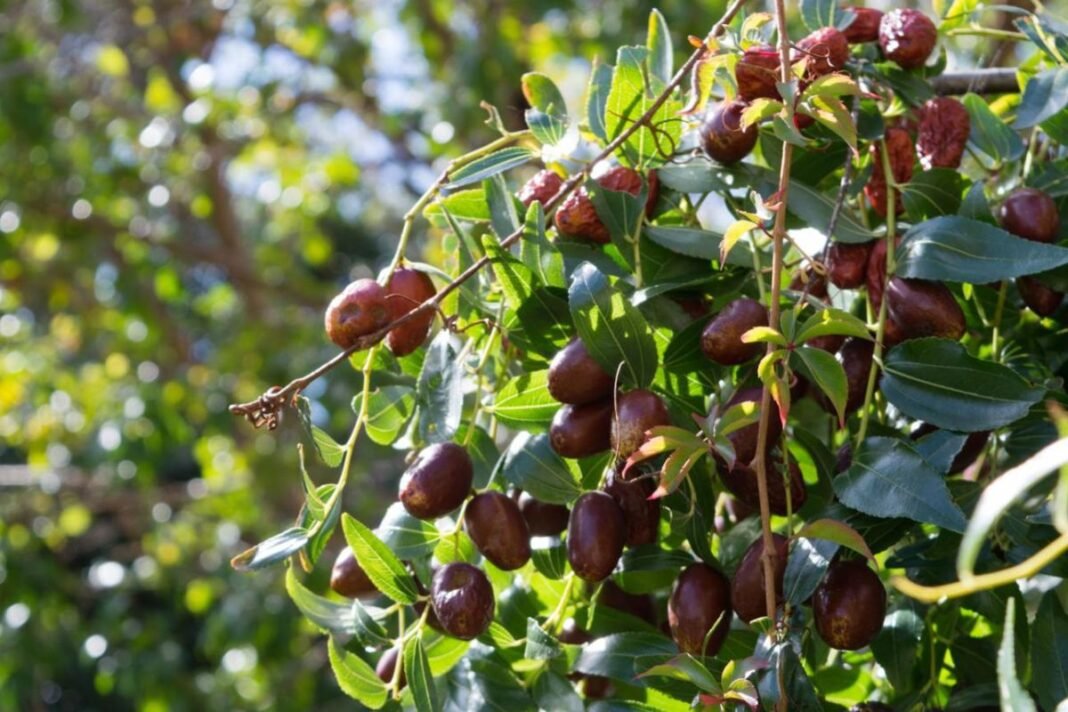
If you’ve never heard of žižole, you’re not alone — but that’s about to change. This small, round fruit has been quietly powering human wellness for thousands of years, and today it’s making a very well-deserved comeback. Whether you know it as jujube, Chinese date, or simply that sweet little fruit your grandparents used to dry in the sun, žižole deserves a proper introduction. From the coastal markets of the Adriatic coast to the ancient medicine halls of China, this nutrient-rich fruit has earned its place as one of the most fascinating and beneficial foods in the world.
What Is Žižole?
Žižole is a small, oval-shaped fruit that grows on the Ziziphus jujuba tree. The fruit starts out green and crisp like an apple, then ripens to a deep red-brown color with a sweet, date-like flavor. It’s easy to eat, pleasant in taste, and remarkably good for the body.
Origin, History, and Different Names
The story of žižole goes back at least 4,000 years. Originating in China, it traveled west along the Silk Road during the Han Dynasty, spreading into the Middle East, the Mediterranean, and eventually into Southern Europe. The Romans brought it further into Europe during the Roman Empire era, introducing it to regions that would eventually become modern-day Croatia and Italy.
Today, this humble fruit answers to many names depending on where you are in the world:
- Žižole — the traditional name used along the Dalmatian coast and throughout the Balkans
- Jujube — the most internationally recognized name, popular in English-speaking countries
- Chinese date — commonly used in East Asian markets and Asian grocery stores
- Ziziphus jujuba — its official botanical name used in peer-reviewed journals and nutritional science
In China, the fruit has been a symbol of prosperity, fertility, and good health for millennia. Along the Adriatic coast and in Balkan villages, it’s deeply woven into food heritage — offered at celebrations, dried for winter, and brewed into teas and traditional beverages. The fruit is considered part of the regional agricultural heritage, and Croatian harvest festivals often celebrate the žižole season with pride.
The Balkans, particularly Croatia and the Dalmatian coast, hold this fruit in very high cultural regard. It represents a living connection to ancient botanical knowledge and a heritage food that has survived centuries of change.
Why Žižole Is Called a Superfruit
The term “superfruit” gets thrown around a lot, but žižole genuinely earns it. Here’s why it stands apart from ordinary fruits:
- It contains one of the highest concentrations of vitamin C of any fruit — fresh fruit can contain up to 69 mg per 100 grams
- It’s packed with antioxidant compounds including flavonoids, saponins, and polysaccharides
- It has a low glycemic index of around 27, making it safe for people watching blood sugar
- It supports multiple body systems — from digestion to sleep to cardiovascular health — in one small, whole food package
- It thrives without heavy pesticide use, supporting sustainable agriculture and organic cultivation
In the growing superfruit industry, žižole stands comfortably alongside goji berries, acai, and pomegranate — but with a far longer history of use and an increasingly impressive body of research behind it.
Žižole Nutrition Facts
When it comes to nutritional value, žižole packs a surprising punch for its small size. According to USDA data, 100 grams of fresh žižole contains approximately 79 kcal, making it a satisfying yet light healthy snack.
Vitamins, Minerals, and Antioxidants
Here’s a closer look at the key nutrients found in žižole per 100g:
| Nutrient | Amount per 100g |
| Calories | 79 kcal |
| Carbohydrates | 20 g |
| Dietary Fiber | 1.5 g |
| Vitamin C | 69 mg |
| Potassium | 250 mg |
| Calcium | 21 mg |
| Iron | 0.5 mg |
| Glycemic Index | 27 |
Beyond the basics, žižole is rich in bioactive compounds that make it stand out nutritionally:
- Flavonoids — plant compounds with strong antioxidant activity that protect cells from oxidative stress
- Saponins — bioactive compounds linked to immune function and anti-inflammatory effects
- Polysaccharides — complex carbohydrates that support immunity and gut health
- Magnesium and phosphorus — minerals that contribute to bone density and muscle function
- Vitamin C — essential for collagen production, immunity, and skin health
The antioxidant profile of žižole is particularly impressive. These compounds work together to neutralize free radicals in the body, which helps slow cellular aging and reduce the risk of chronic disease.
Fresh vs Dried Žižole
Both forms of this fruit have genuine nutritional value, though they differ in some important ways:
| Feature | Fresh Žižole | Dried Žižole |
| Texture | Crisp, apple-like | Chewy, date-like |
| Sweetness | Mild and light | Concentrated and rich |
| Vitamin C | Higher | Slightly reduced by drying |
| Fiber | Good | Higher per gram |
| Calories | Lower | Higher per gram |
| Shelf Life | Days to weeks | Months in airtight container |
| Best For | Fresh snacking, salads | Teas, baking, travel snacks |
Fresh fruit is typically available during the September and October harvest season. Dried fruit can be stored in an airtight container at room temperature for months, making it an incredibly practical pantry staple. Oven drying is a popular home method for preserving the autumn produce from family gardens.
Top Health Benefits of Žižole
The health benefits of žižole have been documented in laboratory studies and animal studies, and many of its traditional uses are now supported by modern nutritional science. That said, most research is still developing, and žižole should always be part of a balanced diet rather than a cure-all.
Immunity and Energy Support
Žižole has long been used as a natural immune support tool, and science is beginning to explain why:
- The high vitamin C content — 69 mg per 100g — plays a key role in maintaining a healthy immune system
- Polysaccharides in žižole have been shown in laboratory studies to help stimulate immune function
- Saponins contribute to its anti-inflammatory profile, helping the body respond to stress and illness more effectively
- Its iron content, though modest at 0.5 mg, supports healthy oxygen transport and energy metabolism
- The potassium content of 250 mg supports electrolyte balance and physical wellness
For those looking for a natural energy boost without caffeine or processed sugars, dried žižole makes a wonderfully effective healthy snack — sweet, satisfying, and nutritionally dense.
Sleep, Stress, and Brain Health
One of the most celebrated traditional uses of žižole is its role in promoting better sleep and calming anxiety. This isn’t just folklore — it has real support:
- Saponins found in the fruit and seeds are associated with sleep improvement and anxiety relief in animal studies
- In Traditional Chinese Medicine (TCM), žižole seed extract is a well-known herbal remedy for calming the nervous system
- The flavonoids in žižole may help protect brain cells against oxidative stress, supporting long-term cognitive health
- Regular consumption has been linked in herbal culture to reduced mental fatigue and improved mood
In Beijing and across China, jujube-based herbal remedies remain widely used for stress and sleep. The fruit is often considered a “superior herb” in TCM — a classification reserved for substances that support overall wellness without side effects during normal use.
Digestion, Heart, and Skin Benefits
Žižole supports the body in several more everyday but equally important ways:
Digestion:
- The fiber content supports healthy digestion by promoting regular bowel movements
- Polysaccharides act as a prebiotic, feeding beneficial gut bacteria
- Traditional use across the Mediterranean and Balkans includes žižole in soups and light meals to soothe digestive discomfort
Cardiovascular Health:
- Potassium and calcium support blood pressure regulation
- Flavonoids help prevent cholesterol buildup in arterial walls, supporting long-term cardiovascular health
- The low glycemic index of 27 makes it a heart-friendly choice for people managing diabetes or metabolic health
Skin and Aging:
- Vitamin C plays a vital role in collagen production, helping maintain skin elasticity and slow visible aging
- The fruit’s strong antioxidant profile fights oxidative stress, which is a major driver of anti-aging concerns
- Some traditional uses include topical preparations from žižole extract, though oral consumption is the most widely practiced method
Žižole in Traditional Medicine and Culture
Long before modern nutritional science arrived on the scene, people across the world had already figured out that žižole was something special. Its roots in traditional medicine run incredibly deep.
Chinese, Mediterranean, and Balkan Uses
China holds the longest and most documented history of žižole use. For over 4,000 years, it has appeared in Chinese herbal texts as a food and medicine. In Traditional Chinese Medicine, the fruit is used to tonify the spleen and stomach, calm the mind, and support blood health. It appears in countless classic herbal remedies and remains a staple ingredient in modern Chinese wellness products.
Ayurveda and Siddha medicine in South Asia also recognize jujube as a therapeutic food, using it to support digestive balance and mental clarity. In these traditions, it’s regarded as both a food source and a gentle medicine.
In the Mediterranean, particularly in Italy and across the Middle East, žižole has been a beloved seasonal fruit since at least the Roman Empire. It’s eaten fresh during harvest time, preserved as dried fruit, and used in traditional beverages, syrups, and herbal remedies.
The Balkans — especially Croatia and the Dalmatian coast — have their own deep relationship with this fruit. Dalmatian villagers have been harvesting žižole in September and October for generations. The fruit appears in local food heritage not just as a snack but as an ingredient in the famous rakija (fruit brandy), homemade jam, and festive bread.
Cultural Importance and Traditions
The cultural importance of žižole goes beyond nutrition:
- In China, žižole is served at weddings and New Year celebrations as a symbol of fertility and prosperity
- In Croatia, the fruit is a proud part of regional food heritage, celebrated at Croatian harvest festivals along the Adriatic coast
- In the Middle East and Mediterranean, it’s a marker of the autumn season and a nostalgic connection to rural traditions
- In Italy, žižole appear at local seasonal markets and are a cherished part of regional food identity
Across all these cultures, žižole represents something bigger than just a fruit — it’s a bridge between generations, a symbol of wellness rooted in the land, and increasingly, a subject of cultural revival as people rediscover heirloom crops and indigenous crops that modern agriculture had nearly forgotten.
How to Eat Žižole
Getting more žižole into your diet is genuinely easy and enjoyable. The fruit is versatile enough to work in dozens of preparations.
Fresh, Dried, and Cooked Ways
Fresh Žižole: Fresh fruit is crisp and mildly sweet, almost like a cross between an apple and a date. It’s best enjoyed straight from the tree during the September–October harvest season. Store fresh produce in the refrigerator for up to two weeks using refrigerated storage.
Dried Žižole: Dried snacks made from žižole are the most widely available form globally. They’re sold in Asian grocery stores, Korean supermarkets, herbal retailers, and online marketplaces. Dried žižole can be eaten as-is or rehydrated in hot water. Keep them in an airtight container at room temperature for long-term storage.
Cooked Uses: Žižole is wonderfully versatile in cooking:
- Added to soups for a slightly sweet, earthy depth of flavor
- Stirred into rice dishes in Chinese and Korean cooking
- Used in bread recipes for a naturally sweet, chewy element
- Simmered into syrup (fruit syrup) for drizzling on desserts or mixing into drinks
- Brewed as tea — one of the most popular uses worldwide
Simple Homemade Žižole Recipes
Žižole Tea with Ginger and Honey
This warming tea is a staple of traditional beverages across China and the Mediterranean:
- Simmer 10–12 dried žižole in 3 cups of water for 20 minutes
- Add 3–4 slices of fresh ginger in the last 5 minutes
- Strain into a cup and stir in a teaspoon of honey
- Sip warm before bed for a relaxing, sleep-supporting drink
Žižole Syrup
A classic fruit syrup made from žižole is delicious over yogurt, pancakes, or stirred into warm drinks:
- Combine 2 cups of dried žižole with 2 cups of water and ½ cup of honey
- Simmer on low heat for 30–40 minutes until the fruit is very soft
- Mash, strain, and bottle the syrup
- Store refrigerated for up to 2 weeks
Žižole Jam
Traditional in Croatia and across the Balkans, homemade žižole jam is simple and delicious:
- Pit and chop 1 kg of fresh or dried žižole
- Cook with ½ cup water until soft, then add sugar to taste
- Simmer until thick, then jar and seal
These recipes reflect the spirit of holistic wellness that has guided the use of žižole across cultures — simple, wholesome preparations that honor the fruit’s natural nutritional value.
How to Grow Žižole at Home
One of the most exciting things about žižole is how beginner-friendly it is to grow. This orchard tree is surprisingly forgiving and well-suited to home gardening.
Climate, Planting, and Care Tips
Where It Grows: Žižole thrives in a warm climate and is native to China and the Middle East, but it adapts remarkably well to Mediterranean, Balkan, and even temperate climates. Its drought tolerance and ability to grow in poor soil make it exceptionally practical for sustainable farming and sustainable agriculture.
Key Growing Facts:
- Climate: Prefers full sun and warm summers; tolerates mild frost once established
- Soil: Adapts to poor soil and a wide pH range; well-drained soil is ideal
- Watering: Low water needs after establishment — a major plus for climate adaptability
- Pruning: Annual pruning improves fruit yield and keeps the tree manageable
- Tree Planting: Best done in spring; dwarf varieties are perfect for small gardens and containers
- Harvest: Fruit ripens in September and October; pick when the skin turns from yellow-green to red-brown
- Cultivation:Organic cultivation is easy since the tree rarely needs heavy intervention
Practical Tips:
- Dwarf varieties are ideal for home gardens and patio containers, making this accessible even without a large yard
- Plant in a spot with full sun and protect from heavy wind
- Trees are typically self-fertile but produce more with a second tree nearby
- In the Balkans and along the Adriatic coast, žižole trees are a common feature of family gardens and have been for generations
- The tree’s status as one of the great heirloom crops and indigenous crops of the region means there are excellent locally adapted varieties available from herbal retailers and specialty nurseries
Žižole is a model orchard tree for the modern age — resilient, low-maintenance, productive, and aligned with the values of sustainable agriculture and home gardening.
Žižole vs Dates and Other Superfruits
How does žižole stack up against some of the world’s most celebrated superfruits?
Key Differences and Health Comparison
| Feature | Žižole | Dates | Goji Berries | Acai |
| Vitamin C | Very High (69 mg) | Very Low | Moderate | Low |
| Glycemic Index | Low (27) | High (42–62) | Low | Low |
| Fiber | Moderate | High | Moderate | High |
| Antioxidants | Flavonoids, Saponins | Moderate | High | Very High |
| Taste | Sweet-tart, crisp | Very sweet | Tart, earthy | Rich, berry |
| Availability | Seasonal/dried | Year-round | Dried/powder | Dried/powder |
| Tradition | 4,000+ years | 6,000+ years | TCM staple | Amazonian |
| Cultivation | Easy, drought-tolerant | Requires dry heat | Specific conditions | Tropical |
Why choose žižole?
- Higher vitamin C than dates and acai, making it a superior immune support fruit
- Lower glycemic index than dates — much friendlier for blood sugar management
- Its combination of flavonoids, saponins, and polysaccharides offers a broader spectrum of bioactive compounds than most competing fruits
- Unlike goji berries or acai, fresh žižole can actually be grown at home in many climates
- The USDA and nutritional science community increasingly recognize žižole’s impressive nutrient density
In short, žižole holds its own — and in several key areas, it genuinely outperforms the competition.
Possible Side Effects and Who Should Avoid It
Žižole is generally considered very safe for most people when consumed in normal food amounts. However, there are a few things worth knowing:
- Medication interactions: People taking certain sedatives or medications for anxiety should consult a doctor before using concentrated žižole supplements or extracts, as the fruit’s calming compounds may enhance their effects
- Digestive sensitivity: In very large amounts, the fiber and saponins in žižole may cause mild bloating or loose stools in sensitive individuals
- Pregnancy: Žižole has traditionally been considered safe in food amounts during pregnancy (it even symbolizes fertility in Chinese culture), but high-dose supplementation should be discussed with a healthcare provider
- Blood sugar management: Although the glycemic index of 27 is low, people with diabetes should still monitor their intake of any fruit, including žižole, and keep it part of a balanced diet
- Allergies: Very rare, but individuals with known sensitivities to related Rhamnaceae family plants should approach žižole cautiously
The vast majority of people can and do enjoy žižole freely as a whole food and healthy snack without any issues. Animal studies and laboratory studies have not shown toxicity at normal dietary amounts. As always, moderation and variety are the foundations of healthy eating.
Conclusion
Žižole is one of those rare foods that truly delivers on every front — flavor, nutrition, tradition, and practicality. Whether someone is drawn to its impressive vitamin C content, its role in promoting sleep and calm, its connection to centuries of traditional medicine, or simply the joy of growing their own orchard tree in the backyard, there’s something here for everyone.
From the ancient orchards of China to the sun-drenched villages of Croatia, from the herbal halls of Ayurveda to the kitchen tables of the Mediterranean, žižole has been a trusted companion to human wellness across cultures and centuries.
It’s not a miracle cure. It’s better than that — it’s a nutrient-rich fruit with a long, well-earned reputation, real nutritional value, and an important role in the future of sustainable agriculture and holistic wellness. Adding žižole to a daily routine — whether as a dried snack, a soothing tea with ginger and honey, or a homegrown harvest from the garden — is one of the simplest and most rewarding choices anyone can make for their health.
The žižole revival is well underway. It’s time to be part of it.
Also Read : What Does Piçada Mean? Complete Linguistic Guide
Frequently Asked Questions (FAQs)
Q1: What does žižole taste like?
Fresh žižole tastes like a mildly sweet apple, while dried žižole is richer and more similar to a date or caramel candy.
Q2: Where can someone buy žižole?
Žižole is available at Asian grocery stores, Korean supermarkets, herbal retailers, and online marketplaces in both fresh and dried forms.
Q3: Is žižole the same as jujube?
Yes — žižole and jujube are different names for the same fruit, Ziziphus jujuba, used in different regions of the world.
Q4: Can žižole help with sleep?
Traditional use and animal studies suggest that compounds in žižole, particularly saponins, may support relaxation and sleep improvement.
Q5: Is žižole easy to grow at home?
Yes — žižole trees are drought-tolerant, adapt to poor soil, and dwarf varieties grow well even in containers or small family gardens.

Welcome to our site. I am admin of Upgradedideas.com, an AI-Powered SEO, And Content Writer with 4 years of experience. I help websites rank higher, grow traffic, and look amazing, my goal is to make seo and web design simple and effective for everyone. let’s achieve more together!