
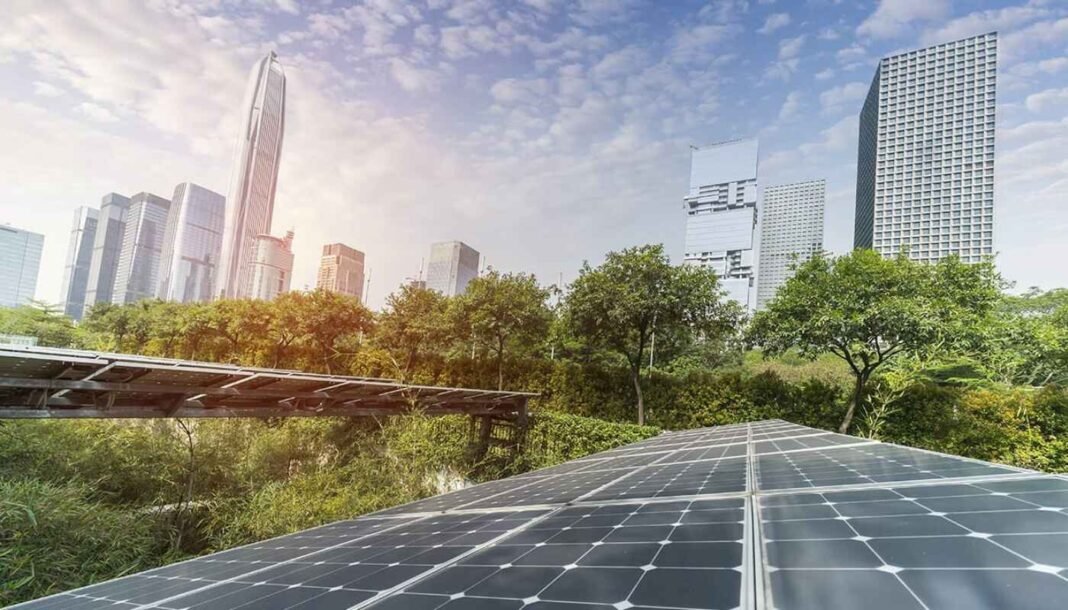
A Priority Infrastructure Plan is a government-led roadmap that helps cities identify, sequence, and fund the infrastructure systems they need most. Whether it covers roads, water supply, energy grids, or digital connectivity, every element shapes how well a city functions. Without a clear plan, budgets get wasted and communities wait too long for services they urgently need.
Modern cities in 2026 are feeling the pressure of rapid urban growth. Governments and municipalities use infrastructure strategies to stay ahead of demand, manage resources wisely, and ensure new development is backed by the right systems from day one. Long-term urban planning goals — livability, sustainability, regional connectivity, and economic strength — all depend on getting infrastructure right.
Why Modern Cities Need a Priority Infrastructure Plan
Modern cities face rising populations, climate risks, aging systems, and fast-changing technology all at once. A Priority Infrastructure Plan gives cities the strategic clarity to act — not just react.
Managing Rapid Population Growth
Population growth strains every layer of infrastructure. Without forward-thinking infrastructure development plans, cities face housing shortages and overwhelmed public services. Effective long-term planning ensures infrastructure capacity grows in step with population demand.
Reducing Urban Congestion
Traffic congestion signals a city falling behind on infrastructure investment. As urban areas grow and migration increases, public transit systems and transportation infrastructure face serious pressure. Investment in smart transportation networks and congestion reduction programs keeps people and goods moving efficiently.
Supporting Economic Expansion
Reliable infrastructure attracts business investment, supports construction activity, and enables commercial growth. When roads, utilities, and digital infrastructure function well, local economies strengthen and regional development accelerates naturally.
Improving Public Services
Public infrastructure projects directly improve how healthcare systems function, how quickly emergency services respond, and how accessible education becomes. A solid Priority Infrastructure Plan ensures public services run through efficient systems that serve every resident equally.
Preparing for Future Development
A good infrastructure strategy identifies where urban expansion is heading and how energy systems, water systems, and digital systems need to scale. This reduces rework, lowers operational costs, and creates livable cities ready for future demand.
Enhancing Disaster Preparedness and Resilience
Extreme weather events are growing more frequent. Cities without flood protection infrastructure, reliable power systems, and strong drainage networks face serious risk. Disaster preparedness built into infrastructure planning helps cities maintain essential services when communities need them most.
Main Objectives of a Priority Infrastructure Plan
A Priority Infrastructure Plan is designed to maximize every public dollar through strategic infrastructure planning:
- Efficient resource allocation — directing funding where impact is greatest
- Identifying urgent infrastructure needs before they become crises
- Supporting sustainable urban development through integrated planning
- Improving quality of life for all residents across all neighborhoods
- Encouraging private and public investment through clear project pipelines
- Ensuring long-term city resilience against economic and environmental pressures
Core Components of a Priority Infrastructure Plan
Transportation Infrastructure
Effective transportation infrastructure keeps cities moving. Core elements include roads and highways, public transport systems, rail development, smart traffic management using smart traffic signals, bicycle infrastructure, and electric vehicle charging networks.
Water Supply and Waste Management
Clean water and proper waste management protect public health. This covers water pipelines, distribution systems, water treatment facilities, drainage networks, flood protection infrastructure, and water conservation initiatives.
Energy and Utility Infrastructure
Cities need dependable energy infrastructure built for the future — electricity grids, renewable energy integration, gas supply systems, smart energy management, and backup power systems that maintain service during disruptions.
Housing and Community Development
Housing shortages drive some of the worst urban challenges. Good planning addresses affordable housing, urban residential planning, community centers, mixed-use developments, and public spaces that improve quality of life across dense urban areas.
Social Infrastructure
Hospitals, schools, emergency services, recreational facilities, and public safety infrastructure are the foundation of any functioning society. Social infrastructure often goes unnoticed until it fails.
Digital and Smart City Infrastructure
Digital infrastructure is now as critical as physical infrastructure. Key components include high-speed broadband, 5G infrastructure, data centers, smart city technologies, IoT-based urban systems, and AI tools that support digital transformation and better public services.
How Infrastructure Projects Are Prioritized
| Prioritization Factor | What It Examines | Why It Matters |
| Population Demand Analysis | Growth concentrations and future demand | Matches infrastructure capacity to real needs |
| Economic Impact Assessment | Job creation and business investment potential | Directs spending toward high-return projects |
| Environmental Impact Evaluation | Carbon emissions and environmental protection | Upholds environmental responsibility |
| Budget and Funding Availability | Budget constraints and feasibility | Keeps project implementation realistic |
| Risk and Urgency Assessment | Infrastructure resilience and disaster gaps | Addresses urgent needs before wider failures |
| Community Consultation | Resident priorities and public opposition | Builds trust and improves decision accuracy |
| Government Policies | Policy frameworks and regulations | Aligns projects with governance requirements |
The Role of Technology in Modern Infrastructure Planning
Technology has fundamentally changed how urban planners approach infrastructure strategy. In 2026, accurate decisions rely on:
- GIS and spatial planning tools to map systems and identify gaps
- AI and predictive modeling for population and demand forecasting
- Data analytics and real-time monitoring to track infrastructure performance
- Digital twins — virtual city replicas that let planners test scenarios before committing resources
- Smart sensors across transportation networks, water systems, and energy systems
- Cloud-based planning systems enabling government departments to collaborate across regions
These tools do not replace human judgment — they sharpen it.
How Priority Infrastructure Planning Supports Economic Growth
Job Creation and Employment Opportunities
Every major infrastructure project generates direct employment in engineering and construction activity, plus indirect jobs across manufacturing and logistics. Infrastructure investment is one of the most reliable drivers of job creation available to governments.
Increased Business and Industrial Activity
Reliable infrastructure lowers the cost of doing business. Business expansion follows good roads, fast internet networks, stable utilities, and efficient public transport — not the other way around.
Attraction of Foreign Investment
Business investment flows to cities with credible long-term planning. Clear pipelines, transparent governance, and completed projects signal that a region is a safe place to commit capital. Forward-thinking infrastructure development plans are among the strongest signals a city can send.
Improved Trade and Logistics
Transportation infrastructure directly affects how goods move through a region. Optimized transportation networks reduce delivery times, cut operational costs, and strengthen regional connectivity with broader markets.
Higher Property Values
Residential property values and commercial property values both rise where infrastructure is strong. Better transport, quality schools, and reliable energy systems make neighborhoods more desirable — and generate higher tax revenues for further public infrastructure projects.
Stronger Regional Competitiveness
The technology sector gravitates toward cities with high-speed digital infrastructure and resilient energy systems. Regional competitiveness is built — or lost — through infrastructure decisions made today.
Importance of Sustainability in Infrastructure Planning
Environmental sustainability is now central to infrastructure planning, not an afterthought.
Reducing Carbon Emissions
Climate-resilient infrastructure minimizes emissions from the outset through renewable energy integration and low-carbon construction methods — making environmental responsibility also a long-term cost-saving strategy.
Green Building Practices
Green urban construction applies environmental sustainability standards from material selection through to ongoing maintenance, delivering lower operational costs and longer infrastructure lifespans.
Renewable Energy Adoption
Solar, wind, and smart energy management systems are increasingly standard features of modern infrastructure development, reducing fossil fuel dependence and building genuine energy independence.
Climate-Resilient Infrastructure
Climate-adaptive urban planning incorporates flood protection infrastructure, upgraded drainage networks, and backup power systems designed to keep essential services running through extreme weather events.
Sustainable Transportation Systems
Investment in public transport, bicycle infrastructure, electric vehicle charging networks, and smart traffic management shifts travel toward lower-impact options — creating more livable cities for everyone.
Efficient Resource Management
Smart city technologies track water, energy, and land usage in real time, identify waste, and adjust systems dynamically. Efficient resource management turns good plans into lasting results.
Benefits of a Well-Planned Priority Infrastructure Strategy
| Benefit | Impact |
| Better Quality of Life | Safer streets, cleaner environments, improved services |
| Improved Public Services | Healthcare, education, and emergency services work better |
| Reduced Traffic and Pollution | Congestion reduction lowers emissions across urban areas |
| Stronger Economic Stability | Reliable infrastructure builds lasting business confidence |
| Enhanced Urban Mobility | Smart public transportation networks improve daily movement |
| Long-Term Cost Savings | Proactive planning reduces emergency repairs and operational costs |
Challenges in Implementing a Priority Infrastructure Plan
Funding and Budget Limitations
Budget constraints are the most common barrier. Governments must balance infrastructure investment against competing priorities, finding the right mix of public funding and private investment.
Political and Regulatory Delays
Policy frameworks and approval processes slow projects considerably. Transparent governance and long-term bipartisan commitment help reduce this risk significantly.
Coordination Between Government Agencies
Multiple government departments must work together across transport, environment, planning, and finance. Clear responsibilities and shared digital systems make successful project implementation possible.
Rapid Population Changes
Unexpected migration or economic shifts can make plans obsolete quickly. Flexible infrastructure strategies that adapt without losing focus are essential for modern cities.
Climate and Environmental Risks
Extreme weather events disrupt construction and damage completed infrastructure. Environmental impact evaluation must run through every planning stage from the very beginning.
Land Acquisition Issues
Securing land in dense urban areas is rarely straightforward. Early community engagement and clear legal frameworks help manage land acquisition challenges before they derail timelines.
Rapid Technological Advancements
Digital infrastructure solutions can become outdated before projects complete. Flexible, modular design approaches future-proof infrastructure systems against fast-moving technological change.
Public Opposition and Stakeholder Conflicts
Community and stakeholder consultation — done early and genuinely — reduces conflict and builds the public trust that large infrastructure projects absolutely need to succeed.
Public-Private Partnerships in Infrastructure Development
Public-private partnerships (PPPs) have become essential to modern infrastructure development when government budgets are stretched:
- Private investors take on financial risk in exchange for long-term infrastructure returns
- Government collaboration models define roles, responsibilities, and revenue-sharing
- Infrastructure financing methods include availability payments, user charges, and hybrid models
- PPP projects have delivered transportation infrastructure, digital infrastructure, and social infrastructure globally
- Risk and management strategies must carefully balance public interest with commercial viability
Done well, PPPs accelerate delivery and maintain quality standards that benefit communities for decades.
Global Examples of Successful Infrastructure Planning
Smart City Development Examples
Singapore leads in smart city technologies, integrating IoT-based urban systems and AI-driven traffic management into a national infrastructure strategy. Songdo, South Korea, was built from scratch as a smart city with real-time monitoring across all systems.
Sustainable Urban Infrastructure Models
Copenhagen built its city around bicycle infrastructure, renewable energy, and green urban construction. Amsterdam’s circular approach to waste management systems has set a global benchmark for environmental sustainability.
High-Performance Public Transport Systems
Tokyo’s rail development network handles millions of journeys daily with remarkable reliability. Hong Kong’s public transit systems prove that high-density urban mobility is achievable without sacrificing quality of life.
Green Infrastructure Initiatives
Kigali, Rwanda, has emerged as one of Africa’s cleanest cities through green urban construction and environmental protection programs. Medellín, Colombia, transformed its urban areas through investment in public transport, community centers, and social infrastructure.
Future Trends in Priority Infrastructure Planning
Smart Cities and AI Integration
AI will deepen its role in managing traffic congestion, energy systems, and digital governance — reshaping how urban planners design and operate infrastructure systems.
Green and Net-Zero Infrastructure
Future infrastructure development will prioritize renewable energy and low-carbon materials, moving cities toward net-zero environmental impact across all systems.
Autonomous Transportation Systems
Smart transportation networks will need to accommodate autonomous vehicles and drone logistics, requiring new road designs, upgraded communication systems, and revised policy frameworks.
Renewable Energy Expansion
Integrated energy systems balancing solar, wind, and storage will define the next generation of urban energy infrastructure as costs continue to fall.
Climate-Adaptive Urban Planning
Climate resilience will be embedded into every layer of infrastructure design — from drainage networks and flood protection to building codes and land use planning.
Digital Transformation of Public Services
Digital infrastructure will make public services more accessible and responsive — from AI-managed healthcare systems to cloud-based education platforms that reach every resident.
Best Practices for Effective Infrastructure Planning
- Long-term vision and forecasting — planning for 20–30 years, not just the next budget cycle
- Community engagement strategies — involving residents and stakeholders from the earliest stages
- Data-driven decision making — using data analytics and predictive modeling to guide choices
- Sustainable investment planning — aligning infrastructure investment with environmental sustainability
- Transparent governance — keeping plans, budgets, and progress publicly accessible
- Continuous infrastructure monitoring — using smart sensors to track performance and catch issues early
Conclusion
Strategic infrastructure planning is one of the most valuable investments a city can make. A well-designed Priority Infrastructure Plan gives modern cities the roadmap they need to manage urban growth, strengthen public services, drive economic growth, and build sustainable communities for everyone.
The future of urban development sits at the intersection of smart technology, environmental sustainability, and inclusive community planning. Cities that plan thoughtfully, invest strategically, and adapt continuously will be far better equipped to face tomorrow’s urban challenges.
Balancing growth, technology, and sustainability is not simple — but with the right infrastructure strategy in place, cities can create environments where people genuinely want to live, work, and invest for generations to come.
Frequently Asked Questions
What is a Priority Infrastructure Plan and why does it matter?
It is a government strategy that identifies and funds the infrastructure systems a city needs most to support sustainable urban growth.
How do cities decide which infrastructure projects to prioritize?
Through population demand analysis, economic impact assessment, environmental evaluation, budget constraints, and community consultation.
What role does technology play in modern infrastructure planning?
GIS tools, AI, digital twins, and real-time monitoring help urban planners make faster, more accurate infrastructure decisions.
How do public-private partnerships support infrastructure development?
They allow governments to access private investment and expertise, delivering projects faster while sharing financial risk.
Why is sustainability important in infrastructure planning?
Sustainable infrastructure reduces carbon emissions, lowers operational costs, and keeps urban development viable for future generations.

Welcome to our site. I am admin of Upgradedideas.com, an AI-Powered SEO, And Content Writer with 4 years of experience. I help websites rank higher, grow traffic, and look amazing, my goal is to make seo and web design simple and effective for everyone. let’s achieve more together!